
As temperatures begin to drop and winter approaches, many homeowners start thinking about ways to make their homes warmer and more comfortable. We turn up the thermostat, check the furnace and pull out the extra blankets. But there’s one area of the home that often gets overlooked: our windows.
Windows can be one of the biggest sources of heat loss in a home, particularly during our Canadian winters. And while window coverings won’t replace properly insulated, energy-efficient windows, the right products can make a noticeable difference in how comfortable your home feels.
Here are some things worth considering as you prepare your home for winter.
1. Honeycomb Shades: One of the Best Choices for Winter Comfort
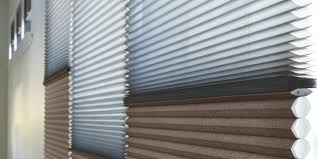
If keeping your home warmer is a priority, honeycomb shades are one of the first products we recommend.
Their unique cellular construction creates pockets of air that act as an insulating barrier between the window and the room. Rather than having a single layer of fabric against the glass, the honeycomb design traps air within its cells, helping reduce heat transfer and making rooms feel more comfortable.
There are a few options worth considering:
Double-cell honeycomb shades: These provide an additional layer of cellular construction, offering another insulating barrier.
Room-darkening fabrics: These can provide additional insulation compared with lighter, more open fabrics.
Top-down/bottom-up operation: This popular feature allows you to lower the shade from the top while keeping the bottom covered, giving you privacy while still allowing natural light into the room.
For bedrooms, north-facing windows and rooms that receive very little direct sunlight, honeycomb shades can be particularly worthwhile.
It’s one of those products where the benefits go beyond appearance. You’re investing in comfort that you will appreciate every winter.
2. Plantation Shutters: A Solid Barrier Against the Cold
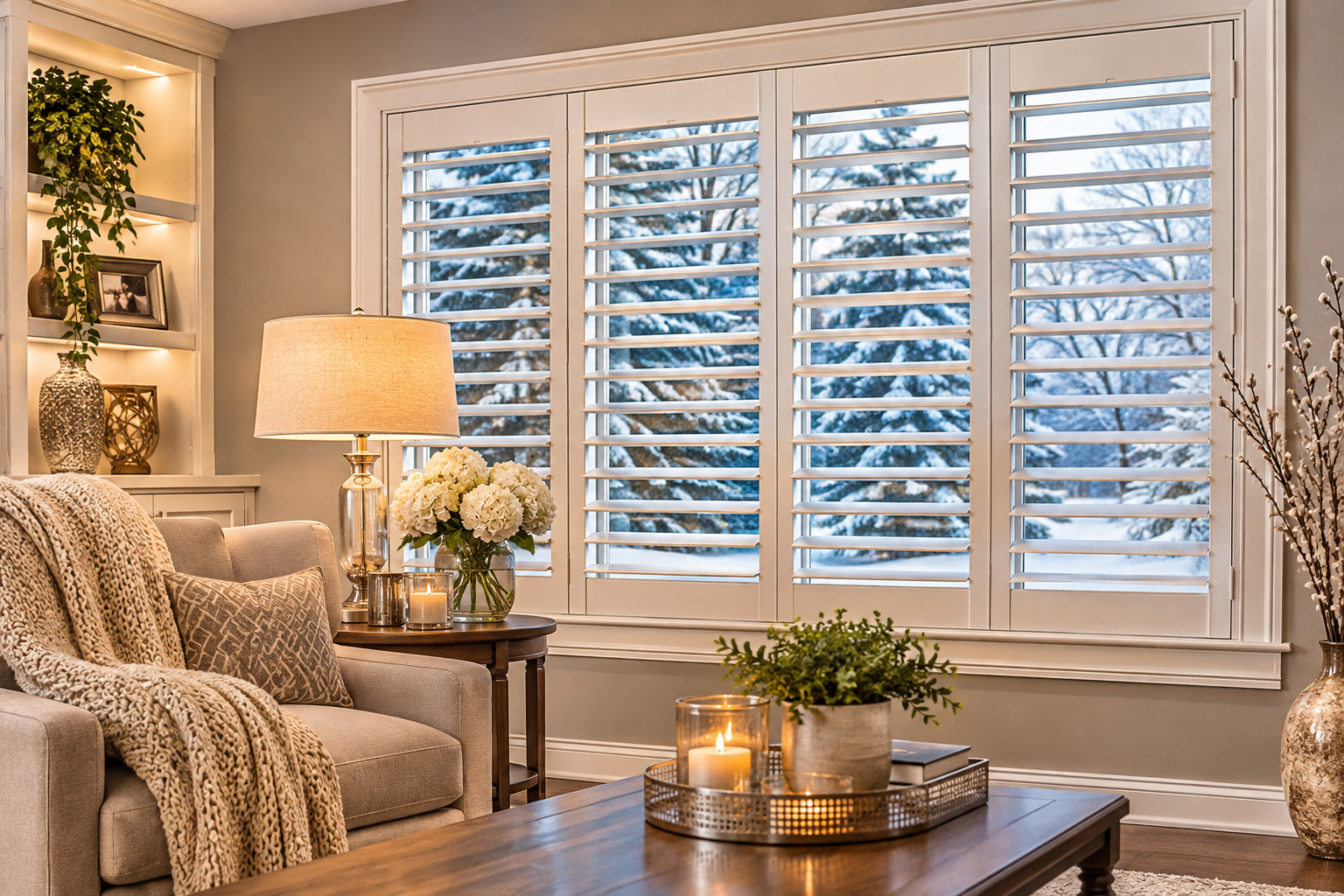
Another excellent option for winter comfort is a quality plantation shutter.
When the louvers are closed, shutters create a relatively tight barrier between the window and the room. Think of it almost like closing a door. The enclosed space helps trap air and reduce airflow between the cold window and your living space.
Not all shutters close equally well. We particularly like Eclipse shutters because of their exceptionally close-fitting louver system. Their hidden gear system eliminates the traditional tilt rod and allows for a clean appearance and very precise louver operation.
The tight closure is one of their biggest advantages.
In fact, we’ve seen just how effectively shutters can trap air through some of the things we’ve encountered in customers’ homes. Windows with significant heat and sun exposure can become problematic when shutters are left closed for extended periods.
This is also a reminder that proper window conditions and allowing for occasional airflow are important, even with quality products.
Shutters are a beautiful, permanent window treatment that offer year-round benefits, not just during the winter months.
3. Already Have Blinds? You May Not Need to Replace Them!
One of the questions we hear from homeowners, particularly those with older homes, is how they can improve winter comfort without investing in an entirely new set of window coverings.
The good news is that you may be able to work with what you already have.
Adding a second layer can make a difference. Here are two options:
Add drapery over existing blinds. Drapery can provide another layer between the window and the room. One advantage is that curtains can extend beyond the window opening, helping minimize gaps where cold air can enter the room.
Consider adding a second window covering. If your existing blinds are mounted inside the window frame, there may be room to install another treatment on top of the window trim. Depending on the available space, this could be another blind or shade.
Double-stacking window coverings isn’t always possible, but when the space allows, it can be a practical way to improve comfort without removing something you already own.
Sometimes a little creativity goes a long way!
4. Large Windows and Patio Doors: A Winter Challenge
Large windows and expansive patio doors can be particularly challenging during colder months. The larger the glass area, the more noticeable the temperature difference can become.
Honeycomb shades are worth considering for these areas, but operating multiple large coverings can sometimes become inconvenient.
This is where automation can make a real difference.
Automated shades can be programmed to open and close at specific times, allowing homeowners to take advantage of natural sunlight during the day and close their coverings as temperatures drop in the evening.
With systems such as Hunter Douglas PowerView, homeowners can schedule their window coverings to operate automatically rather than having to remember to adjust them throughout the day.
It takes much of the guesswork and effort out of managing multiple windows, particularly in rooms with large expanses of glass.
Automation isn’t just about convenience. It can also help homeowners develop consistent habits for managing their window coverings throughout the changing seasons.
5. An Important Winter Warning: Let Your Windows Breathe!
This is probably one of the most important things we want homeowners to understand.
While insulating window coverings can help keep your home comfortable, they can also restrict airflow against the glass. This is particularly important with cellular shades, which are designed to trap air so effectively that they can significantly reduce airflow behind the shade.
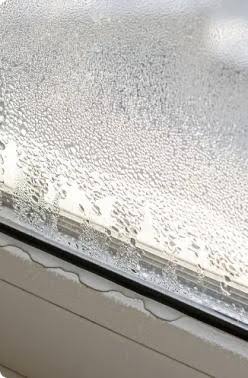
During winter, the glass in your windows can become very cold. When warm, moisture-filled indoor air comes into contact with that cold glass, condensation can develop.
If window coverings remain closed for extended periods, moisture can become trapped between the covering and the window.
We’ve seen situations where condensation builds up behind cellular shades and, when temperatures are cold enough, that moisture eventually freezes. Ice can actually accumulate on the glass!
This is why we always remind our customers to periodically open their window coverings during the winter months.
A few simple habits can help:
- Open your blinds or shades periodically to allow air to circulate.
- Check behind your coverings, particularly on very cold days.
- Watch for moisture collecting along the bottom of windows.
- Keep indoor humidity at an appropriate level.
- Make sure bathrooms and other high-humidity rooms have proper ventilation.
You don’t need to leave your blinds open all day. Just make a habit of going from room to room and opening them occasionally.
Interestingly, with some honeycomb shades, you can actually feel the air movement behind the shade. That’s a good illustration of just how effectively they can create an insulating barrier. But it also reinforces why allowing your windows to breathe is so important.
Remember, a window covering that helps keep the cold out still needs to be used properly.
6. Not Every Room Has the Same Winter Needs
One mistake homeowners sometimes make is assuming that every window in the house needs the same type of covering.
In reality, several factors influence how much insulation a particular room may need.
Bedrooms
Bedrooms can become particularly cold overnight, especially when temperatures drop. Insulating honeycomb shades, particularly with room-darkening fabrics, can be a worthwhile investment.
North-Facing Windows
These windows receive little direct sunlight, meaning they miss out on much of the natural warmth that sunlight can provide during the day. Additional insulation can make a noticeable difference in comfort.
Heavily Wooded Properties
Homes surrounded by mature trees may receive very little direct sunlight, even through the larger windows. These rooms can benefit from an additional insulating layer.
Bathrooms and Laundry Rooms
These rooms require a little more consideration. Humidity, ventilation, privacy, window placement and sun exposure all play a role in choosing the right product.
A window located directly above a bathtub or inside a shower has different requirements than one positioned across the room. Proper ventilation and allowing air to circulate behind the covering are especially important in these spaces.
There isn’t one product that works for every bathroom or laundry room. The best choice depends on the individual room and how it is used.
Five Simple Things You Can Do Today to Prepare Your Window Coverings for Winter
You don’t necessarily need to purchase anything new to make better use of your existing window coverings.
Here are five simple habits worth adopting:
- Close your coverings at night. Once the sun goes down, closing your blinds or shades can help reduce heat transfer and make rooms feel more comfortable.
- Open them during sunny days. Take advantage of natural sunlight whenever possible. Letting the sun shine through your windows can provide some welcome warmth.
- Check for condensation. Make a habit of looking behind your window coverings, especially in bedrooms and on north-facing windows.
- Allow your windows to breathe. Periodically raise your shades or open your shutters to encourage airflow and prevent moisture from becoming trapped.
- Pay attention to problem rooms. If certain rooms consistently feel colder than others, consider whether an additional layer or a different type of window covering might help.
Small changes in how you use your window coverings can make a difference in your home’s winter comfort.
The Bottom Line: Comfort Is About More Than Just Turning Up the Heat
The right window coverings can help reduce heat loss, improve comfort and make your home feel warmer during the colder months. Honeycomb shades, quality plantation shutters and layered window treatments all have benefits worth considering.
However, it’s important to be realistic. Window coverings are not a substitute for properly functioning, energy-efficient windows. They can help improve comfort, but they cannot provide the same insulation performance as a good window system.
If you’re considering upgrading your window coverings, you don’t necessarily have to do the entire house at once. Start with the rooms that feel the coldest, the windows that receive little sunlight or the areas where you spend the most time.
Thinking About Getting Your Home Ready for Winter?
Let us help you find window coverings that look beautiful, work hard and make your home more comfortable all year long.
Contact Aldo’s Shutters to arrange your complimentary in-home consultation.
Aldo’s Shutters | Quality, Experience & Personal Service for Over 30 Years.